
GLP-1, GLP-3, semaglutide, tirzepatide, retatrutide. These terms can get confusing fast.
At Regain Functional Wellness and Aesthetics, we want to help you understand the difference between GLP-1, GLP-2, and GLP-3 so you can feel informed about the treatment you are receiving.
So, let’s break it down. Here’s your guide to your options for medical weight loss.
GLP-1: Semaglutide
GLP-1 stands for glucagon-like peptide-1. This is a hormone that your body makes in your gut to tell your brain that you’re full and it’s time to stop eating. In addition to appetite control, this hormone regulates your blood sugar levels and helps to slow digestion.
GLP-1 medications, like semaglutide, mimic this function, helping you feel satisfied with smaller meal portions. Not only does this help you maintain a calorie deficit (burning more calories than you consume) but it also curbs cravings, meaning you feel less compelled to snack in between meals.
Related Reading: FAQs About GLP-1 Medications
What About GLP-2?
This is where terms can get a little tricky. Tirzepatide is sometimes referred to as the “next step” after GLP-1 treatments, making patients think it’s a GLP-2 medication. However, that is not accurate.
GLP-2 stands for glucagon-like peptide-2. Like GLP-1, your body releases the GLP-2 hormone from the gut. But it has a different job.
Rather than aiding in appetite, fullness, digestion, and blood sugar regulation, GLP-2 focuses more on the gut itself. It helps with supporting the intestinal lining, nutrient absorption, and healthy gut function.
GLP-2 and Tirzepatide
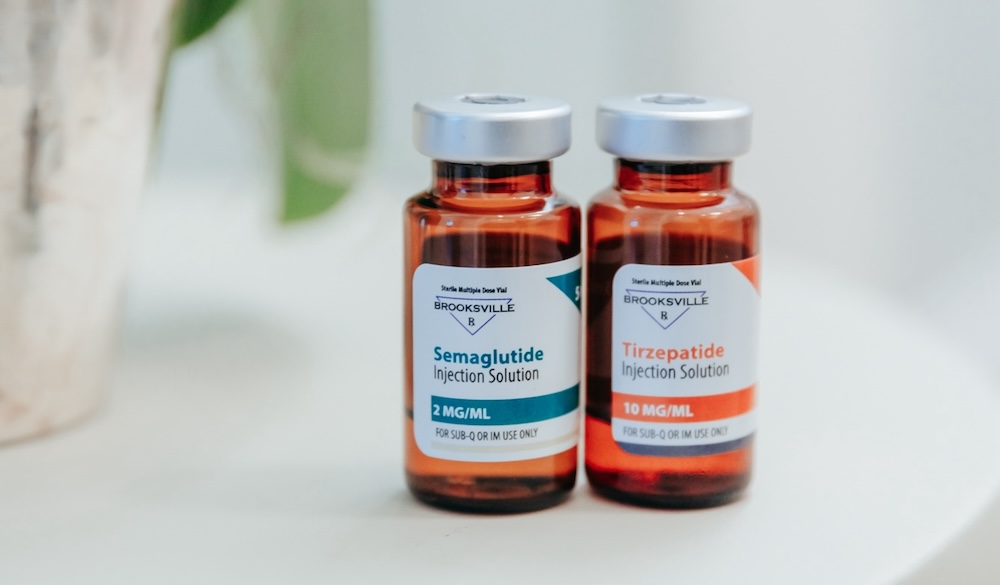
Patients often think GLP-2 and tirzepatide are the same thing. However, GLP-2 is the hormone, whereas tirzepatide is the weight-loss peptide. Tirzepatide works by targeting both the GLP-1 and GIP (gastric inhibitory polypeptide) hormones, which further regulates appetite and blood sugar.
Now that we’ve covered GLP-1s and cleared up the confusion surrounding GLP-2s, let’s talk about the newest term patients are hearing: GLP-3. Understanding this final piece of the puzzle helps clarify the difference among GLP-1, GLP-2, and GLP-3 and why retatrutide has generated so much interest in the weight loss community.
GLP-3 and Retatrutide
Unlike GLP-1 and GLP-2, GLP-3 is not a hormone. Although GLP-3 does have something in common with GLP-2: the treatment does not mimic the hormone like a GLP-1.
Furthermore, just like tirzepatide is not truly a GLP-2 treatment, retatrutide is not truly a GLP-3 treatment. Instead, people use “GLP-3” as shorthand because retatrutide works with 3 hormone pathways: GLP-1, GIP, and glucagon.
By targeting glucagon, retatrutide may help the body access and use stored energy more efficiently, while the targeted GLP-1 and GIP hormones help support fullness, appetite control, and blood sugar regulation.
Semaglutide, Tirzepatide, and Retatrutide: The Similarities
Now that you understand the differences between GLP-1, GLP-2, and GLP-3 medications, and their appropriate names and functions, let’s talk about the similarities.
They Do Not Work Alone
Although powerful and effective, weight loss medications do not work alone. Instead, they require a commitment to healthy habits. This includes an active lifestyle and a nutrient-dense diet.
At Regain Functional Medicine and Aesthetics, our team helps you find a nutrition and exercise plan that fits your lifestyle and supports your weight loss efforts. We can also recommend supportive treatments to help you maintain muscle mass, energy, and long-term health.
Related Reading: Functional Wellness and Weight Loss
They Support Long-Term Health
Weight loss is about more than the numbers on a scale. Semaglutide, tirzepatide, and retatrutide can all support healthier habits by helping patients manage appetite, cravings, and blood sugar.
They Require Personalization
There is no single weight loss treatment that works best for everyone. Together, we determine the best treatment for you, and customize your dosage based on your health history, lifestyle, goals, and response to treatment.
Frequently Asked Questions
We’ve laid out the similarities and the differences between GLP-1, GLP-2, and GLP-3, now let’s answer some other common questions.
What is the difference between GLP-1 and GLP-3?
GLP-1 is the name of a hormone that regulates blood sugar, appetite, and digestion. It’s also the name given to semaglutide, a weight loss medication that mimics that hormone. GLP-3 is a nickname for retatrutide, which targets 3 hormone pathways.
Is tirzepatide a GLP-2?
No, tirzepatide is not a GLP-2 hormone or treatment, though it is often referred to as one. Tirzepatide is a medication that targets two hormones: GIP and GLP-1.
Which weight loss treatment is right for me?
It depends on your health history, goals, and how your body responds. Our team at Regain helps you choose the best option during your consultation.
Find Your Weight-Loss Solution
If you’re interested in semaglutide, tirzepatide, or retatrutide, reach out to our team to learn more.